In today’s digital-first business landscape, HR teams across Bahrain and the GCC are under increasing pressure to make faster, smarter, and more strategic decisions. From workforce planning and talent acquisition to payroll accuracy and employee engagement, every HR function now requires insights backed by real-time data. This is where an HCM Analytics Dashboard becomes a game-changer.
The right HCM analytics platform goes beyond basic reports; it provides actionable insights, trends, patterns, and predictive analyses that empower leaders to improve performance, reduce risks, and elevate the overall employee experience.
But what features matter most? What should HR teams look for when selecting the best HCM analytics module? This guide breaks down the top features you MUST look for to ensure your organization chooses a powerful, future-ready analytics dashboard.
What Is an HCM Analytics Dashboard?
An HCM analytics dashboard is a centralized visual interface within your Human Capital Management (HCM) system that collects, analyzes, and displays HR data in an easy-to-understand format. It helps HR professionals track key metrics, spot workforce trends, and make data-driven decisions.
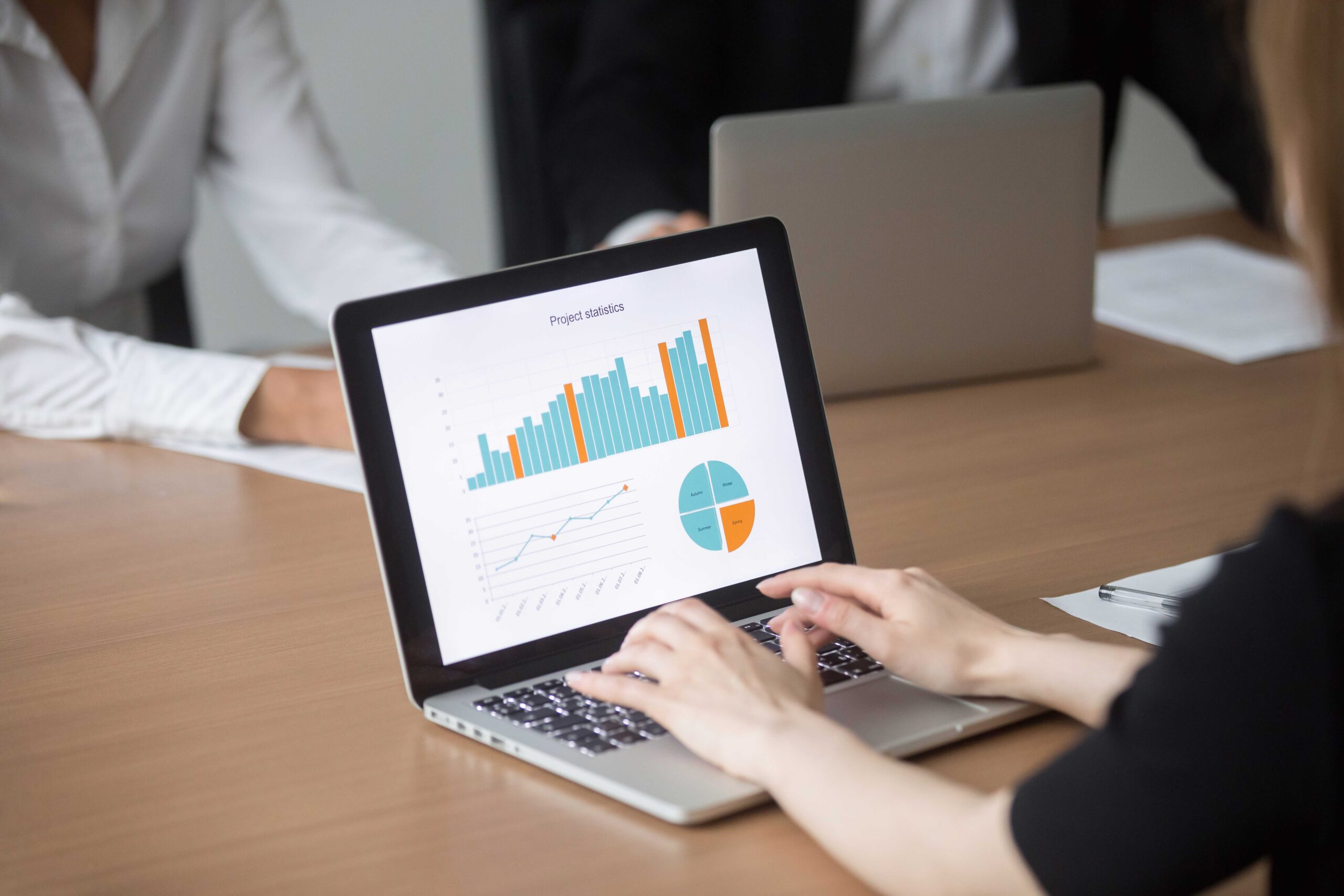
A modern analytics dashboard includes interactive charts, filters, KPIs, and predictive insights covering:
- Workforce demographics
- Attendance & shift trends
- Payroll analysis
- Hiring efficiency
- Talent performance
- Engagement analytics
- Attrition risk
In short: an HCM analytics dashboard converts HR data into intelligence.
Why Analytics Matters in Modern HR
HR has transitioned from a “paperwork department” to a strategic business partner. Analytics empower HR teams to:
- Optimize hiring processes
- Reduce overtime and labor costs
- Strengthen performance management
- Identify attrition risks early
- Improve employee experience
- Support compliance and audits
- Build a future-ready HR strategy
Without analytics, HR decisions become reactive. With analytics, HR becomes proactive and predictive.
Top Features to Look for in an HCM Analytics Dashboard
Below are the top features your HR team needs for powerful decision-making in 2025 and beyond.
1. Real-Time Workforce Data Visualization
Your dashboard should provide dynamic, real-time visuals, not static spreadsheets.
Why It Matters
Real-time workforce visibility helps HR leaders respond quickly to business needs. Whether it’s monitoring attendance spikes, tracking shift gaps, or reviewing payroll adjustments, immediate access to live data improves accuracy and responsiveness.
What to Look For
- Live dashboards
- Interactive charts & graphs
- Real-time attendance snapshots
- Automatically updated KPIs
2. Customizable KPIs and Metrics
Every company has unique HR goals. The best analytics dashboards let you tailor metrics to your needs.
Why It Matters
A customizable dashboard ensures HR leaders monitor the KPIs that matter most, such as attrition rate, overtime costs, productivity trends, or hiring velocity.
What to Look For
- Custom KPI creation
- Drag-and-drop dashboard layouts
- Industry-specific templates
- Goal-based performance metrics
3. Advanced Reporting Tools
Reports are the backbone of HR decision-making.
Why It Matters
Advanced reporting allows HR teams to produce detailed summaries for management, auditors, and department heads without spending hours creating manual documents.
What to Look For
- Automated report generation
- Custom report templates
- Export options (PDF, Excel)
- Scheduled reporting
4. Predictive Analytics & AI Insights
Modern HCM systems incorporate artificial intelligence to forecast future HR trends.
Why It Matters
Predictive analytics helps HR leaders anticipate situations before they happen, whether it’s identifying at-risk employees, forecasting staffing needs, or predicting hiring bottlenecks.
What to Look For
- AI-powered trend forecasting
- Attrition predictions
- Performance predictions
- Workload forecasting models
5. Deep Attendance & Workforce Management Insights
Attendance analytics are essential for controlling labor costs and improving productivity.
Why It Matters
Understanding patterns such as absenteeism, overtime misuse, and shift shortages helps employers reduce operational inefficiencies.
What to Look For
- Daily/weekly/monthly attendance trends
- Absenteeism patterns
- Overtime analysis by department
- Productivity heatmaps
6. Payroll Insights & Cost Breakdown
A powerful HCM analytics dashboard must integrate seamlessly with payroll.
Why It Matters
Payroll is one of the largest expenses in any organization. HR teams need clarity on salary distribution, overtime charges, allowances, deductions, and compliance-related expenses.
What to Look For
- Salary cost benchmarking
- Overtime vs. budget analysis
- Department-wise payroll breakdown
- Gratuity & end-of-service cost tracking
7. Employee Performance & Engagement Analytics
Employee performance is more than annual reviews; it’s about continuous insights.
Why It Matters
Engagement and performance analytics help you identify the top performers, disengaged employees, and skill gaps, enabling smarter talent development strategies.
What to Look For
- Performance score dashboards
- Engagement survey results
- Feedback analysis
- Goal completion metrics
8. Interactive Filtering & Drill-Down Capabilities
A powerful dashboard must allow users to filter and drill deeper.
Why It Matters
HR leaders often need detailed insights for specific teams, roles, locations, or time periods. Drill-down views let them uncover root causes behind HR issues.
What to Look For
- Multi-level filters (team, role, department, location)
- Click-to-drill-down analytics
- Smart grouping and segmentation
9. Multi-Language Interface (Arabic + English)
Critical for organizations operating in Bahrain & GCC.
Why It Matters
Analytics tools must be accessible to all HR teams, department heads, and executives, regardless of language preference.
What to Look For
- Bilingual dashboard
- Ability to switch languages instantly
- Translated reports
10. Secure Data Access Controls
Analytics dashboards process sensitive HR data. Security is non-negotiable.
Why It Matters
Role-based access ensures only authorized personnel can view or modify specific data—protecting employee information and supporting compliance.
What to Look For
- Role-based permissions
- Encrypted data handling
- Audit logs
- Compliance-ready reporting

Benefits of Using an Advanced HCM Analytics Dashboard
A modern HCM analytics dashboard transforms raw HR data into actionable insights that help organizations make smarter, faster, and more strategic workforce decisions. Here are the key benefits businesses gain:
- Makes HR Decisions Faster and Smarter
Leaders get immediate visibility into trends across attendance, performance, hiring, and payroll. This real-time insight enables HR teams to identify issues early, respond quickly, and make decisions backed by accurate, up-to-date data.
- Reduces Risks Through Real-Time Monitoring
Analytics dashboards highlight warning signs such as absenteeism spikes, overtime misuse, payroll discrepancies, or compliance gaps. By detecting these risks early, companies can avoid penalties, operational disruptions, and productivity losses.
- Improves Productivity Organization-Wide
Data-backed insights help HR teams identify inefficiencies, optimize staffing levels, and improve overall workforce planning. With better visibility, managers can reduce bottlenecks, balance workloads, and boost organizational efficiency.
- Enhances Employee Experience
Analytics reveal valuable patterns in employee engagement, satisfaction, and performance. These insights help HR design targeted initiatives, improve communication, and strengthen employee motivation, leading to a happier, more committed workforce.
- Supports Digital HR Transformation
Analytics are the backbone of modern HR automation. An advanced dashboard accelerates digital transformation by enabling data-driven processes, reinforcing strategic decision-making, and empowering organizations to operate with greater agility in 2025 and beyond.

Common Challenges Without an HCM Analytics Dashboard
Organizations that rely on spreadsheets or outdated reporting often struggle with inefficiency, errors, and blind spots. Here are the biggest challenges companies face without a dedicated analytics dashboard:
- Inconsistent HR Reports
Data gathered from multiple sources often leads to inaccuracies, duplication, and conflicting reports. HR teams waste time reconciling data instead of focusing on strategic tasks.
- Delayed Decision-Making
Without real-time insights, HR leaders cannot respond quickly to staffing shortages, performance issues, or operational demands. This slows down business processes and affects productivity.
- Limited Visibility Into Workforce Performance
Without analytics, organizations lack clarity on attendance patterns, engagement levels, productivity metrics, or talent gaps. HR teams operate reactively, often noticing problems only after they escalate.
- High Payroll Errors and Labor Costs
Manual payroll analysis makes it difficult to spot anomalies such as excessive overtime, incorrect salary calculations, or compliance-related expenses, resulting in costly errors.
- Difficulty Managing Compliance
Tracking WPS requirements, GCC labor laws, contract expiries, and leave policies manually can lead to oversights. Compliance risks increase when data is scattered or outdated.
An analytics dashboard eliminates these challenges permanently. By centralizing data, providing real-time insights, and enabling predictive intelligence, an HCM analytics dashboard helps organizations operate smarter, reduce errors, and respond proactively to workforce needs.
Conclusion
An HCM Analytics Dashboard is no longer an optional feature; it is a strategic necessity for HR teams aiming to build a smarter, more efficient, and more data-driven workforce. From real-time visuals and predictive analytics to performance insights and secure access controls, the right analytics module empowers organizations to make informed decisions that directly improve productivity and growth.
If your organization wants to modernize HR operations, reduce manual processes, and unlock real-time workforce intelligence, investing in a powerful analytics dashboard is the first step. Ready to Experience a Smarter HR Analytics System? Explore QuickHCM’s advanced HCM Analytics Dashboard designed specifically for Bahrain & GCC organizations. Get real-time HR insights, predictive analytics, and customizable dashboards, all in one scalable platform. Visit QuickHCM to request a demo.
Frequently Asked Questions
1. Why do companies need an analytics dashboard in their HCM system?
Because without analytics, HR data stays scattered across spreadsheets or disconnected systems. A dashboard brings everything together, offering real-time visibility and actionable insights that improve productivity and reduce risk.
2. What metrics should an HCM dashboard include?
Key metrics include absenteeism, turnover, payroll variance, overtime costs, hiring funnel performance, employee satisfaction, skill gaps, and productivity indicators.
3. Is an analytics dashboard helpful for SMEs or only for large enterprises?
SMEs benefit even more. With limited HR teams and tighter budgets, SMEs need automation and insights to avoid payroll errors, compliance risks, and inefficient manual work.
4. What should I look for in a high-quality analytics dashboard?
Look for features like predictive reporting, KPI tracking, real-time alerts, customizable dashboards, data visualization, AI insights, and integrations with payroll, attendance, and recruitment systems.
5. Can AI improve HCM analytics dashboards?
AI adds forecasting, anomaly detection, employee sentiment analysis, and predictive workforce planning, which makes insights deeper and more valuable for HR strategy.