The workforce’s dynamics are changing quickly as 2025 draws near, caused by changes in employee expectations, technological breakthroughs, and worldwide economic trends. Companies that aim to stay competitive and agile in such an environment need more than just a strong HR department; they need strategic workforce planning that is informed by the right data. Here’s when HR metrics are useful. and why modern tools like HCM software, workforce management software, and HRMS solutions are becoming indispensable.
In this blog, we’ll dive deep into the top 5 HR metrics for strategic workforce planning in 2025, providing you with a comprehensive guide to leveraging these metrics effectively. We’ll explore not only the metrics themselves but also the challenges that HR professionals might face when applying them and practical tips on how to make the most of these data points.
What is Workforce Planning?
The process of making sure that an organization has the proper number of employees in the right roles at the right times, with the necessary skills, is known as workforce planning. It bridges the gap between the workforce of today and the business needs of tomorrow.
In simple terms, workforce planning is about anticipating talent demand and supply—aligning hiring, training, and retention strategies with the long-term goals of the organization.
It involves:
- Analyzing current workforce data—headcount, skills, and demographics.
- Estimating future requirements based on market trends, technological advancements, and growth strategies.
- Identifying gaps—spotting shortages in skills, roles, or leadership pipelines.
- Creating strategies—hiring, reskilling, or restructuring to close those gaps.
In 2025, workforce planning is no longer a once-a-year HR activity—it’s a continuous, data-driven strategy. And this is where HR metrics become the building blocks of success.
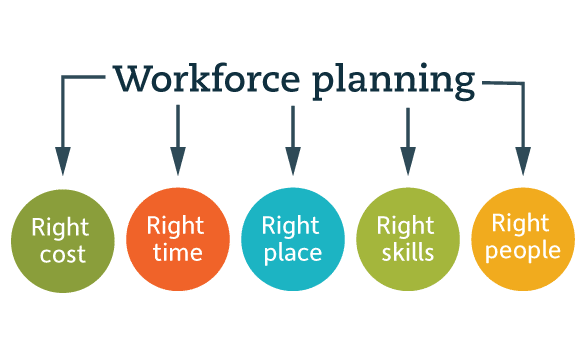
Why Are HR Metrics Crucial for Strategic Workforce Planning?
Gone are the days when workforce planning was merely about filling open positions. Today, it’s a comprehensive strategy aimed at ensuring that your organization has the talent it needs to reach its goals, now and in the future. HR metrics are powerful tools that allow businesses to assess their workforce in real time, predict future needs, and identify opportunities to improve.
With 2025 just around the corner, strategic workforce planning will increasingly rely on HR analytics software and workforce tracking systems to improve productivity, drive innovation, and support growth. HR metrics provide valuable insights into key areas such as turnover, engagement, productivity, and skills development—each of which plays a crucial role in workforce strategy.
Let’s dive into the top 5 HR metrics that will be central to effective workforce planning in 2025.
1. Employee Turnover and Retention Rates
Why They Matter:
High staff turnover may be a major financial burden on a business, resulting in lost competence, low morale, and an interruption to the company culture in addition to recruitment expenses. Understanding employee turnover and retention rates helps HR teams identify why people leave and what keeps them around.
Key Insights:
- Employees who leave on their own volition may be doing so because they are unhappy or because they are looking for better possibilities elsewhere. Involuntary turnover, such as layoffs or firings, may be caused by external factors or performance issues.
- Retention Rates: This metric shows how many employees stay with the company. A higher retention rate signals that your company is doing a good job in engaging employees and fostering a healthy workplace culture.
How to Leverage This Metric:
Divide the number of departing employees by the average number of employees for a given period to determine turnover. While retention rates are calculated by subtracting turnover from 100%.
Tips to Improve Retention:
- Invest in Employee Development: Offering growth opportunities is a great way to show employees that you’re committed to their long-term success.
- Offer Flexibility: Flexible work options like remote work or flexible hours can increase job satisfaction and reduce turnover.
- Conduct Stay Interviews: Instead of waiting for employees to leave, ask them about their experience before they go. This can provide insight into what might need to change.
2. Employee Engagement Levels
Why They Matter:
Morale and productivity are directly correlated with staff engagement. Engaged employees are more likely to be motivated, creative, and willing to contribute to the organization’s success. By measuring engagement, HR teams can identify areas of improvement and implement strategies to foster greater commitment.
Key Insights:
- Engagement Surveys: Regularly checking in with employees through surveys or pulse checks helps gauge job satisfaction and overall engagement.
- Employee Net Promoter Score (eNPS): This metric indicates how likely employees are to recommend your organization to others, providing valuable insights into overall morale and engagement levels.
How to Leverage This Metric:
Track engagement through surveys and regular feedback channels. Combine these insights with other data points, such as turnover and performance, to assess how engagement impacts retention and productivity.
Tips for Improving Engagement:
- Recognize Contributions: Acknowledge employees’ hard work and achievements with recognition programs, awards, or simple shout-outs.
- Align Work with Purpose: Help employees understand the connection between their work and the company’s broader mission. This creates a sense of meaning and fulfillment.
- Open Communication: Make sure there are clear channels for employees to voice their opinions and concerns, fostering an open, transparent culture.
3. Skill Gaps and Training ROI
Why They Matter:
As technology continues to change rapidly, skill gaps within organizations can create bottlenecks. Ensuring employees are equipped with the right skills to meet future demands is crucial. By identifying skill gaps and measuring the return on investment (ROI) of training programs, businesses can develop targeted strategies to upskill their workforce.
Key Insights:
- Skill Gap Analysis: This helps identify what skills are missing or need further development within the organization. As new technology and industries develop, this is particularly crucial.
- Training ROI: It’s essential to assess whether the resources put into training have led to measurable improvements in employee performance, productivity, and retention.
How to Leverage This Metric:
Regularly assess your employees’ skills and compare them with the skills needed in the future. Use training programs to fill any gaps and monitor the impact through performance data and employee feedback.
Tips for Closing Skill Gaps:
- Encourage Continuous Learning: Provide ongoing learning opportunities, such as online courses or workshops, to help employees stay current with industry trends.
- Offer Cross-Training: Enable employees to learn new roles within the company, which can improve flexibility and productivity across teams.
- Develop Succession Plans: Identify high-potential employees and provide them with the tools and training to move into leadership roles in the future.
4. Diversity, Equity, and Inclusion (DEI) Metrics
Why They Matter:
Diversity, equity, and inclusion (DEI) aren’t just buzzwords—they’re essential components of a healthy, innovative workforce. Diverse teams solve problems more creatively and effectively because they bring a variety of viewpoints and experiences to the table. For strategic workforce planning, measuring DEI helps ensure that your organization is creating an inclusive environment where all employees feel valued.
Key Insights:
- Workforce Composition: Measure diversity at different levels, from entry-level employees to top executives. This helps track progress in building a more representative workforce.
- Inclusion Metrics: Use employee surveys and focus groups to assess how inclusive your workplace culture is and how diverse groups perceive their experiences at work.
- Equity Metrics: Measure whether all employees have equal access to opportunities, such as promotions and professional development.
How to Leverage This Metric:
Regularly review your diversity and inclusion data across all levels of the organization. Use employee feedback to understand how inclusive your culture is and adjust policies to ensure fairness and equity.
Tips for Improving DEI:
- Implement Bias Training: Provide training to help employees and leaders recognize and address unconscious bias in the workplace.
- Inclusive Hiring Practices: Use data to ensure your hiring practices are designed to attract diverse candidates and eliminate bias from recruitment.
- Create Employee Resource Groups (ERGs): Encourage the formation of ERGs to foster a sense of community and support for underrepresented groups within your organization.
5. Workforce Productivity and Performance Metrics
Why They Matter:
At the end of the day, productivity is what drives business outcomes. Monitoring workforce productivity helps ensure that employees are working efficiently and effectively. It also helps identify high performers who can be rewarded and areas where additional support may be needed.
Key Insights:
- Individual and Team Performance: Measuring performance at both the individual and team level can help identify areas of strength and areas for improvement.
- KPIs and OKRs: Track specific, measurable goals to evaluate employee and team performance against organizational objectives.
How to Leverage This Metric:
Use a combination of qualitative and quantitative performance data to assess how employees are contributing to the business. Regular performance reviews provide further insight into strengths and areas for growth.
Tips for Improving Productivity:
- Set Clear Goals: Help employees understand their individual and team goals, and ensure they align with the company’s broader objectives.
- Provide the Right Tools: Ensure that employees have access to the necessary tools, training, and resources to do their jobs effectively.
- Cultivate a Feedback Culture: Regular feedback helps employees improve their performance and stay engaged in their roles.
Conclusion
As we move into 2025, the role of HR in workforce planning is becoming more critical than ever. By focusing on essential HR metrics—such as turnover, engagement, skill gaps, DEI, and productivity—organizations can create a resilient, future-ready workforce.
At QuickHCM, we know how challenging it can be for HR leaders to balance compliance, employee experience, and strategic planning in today’s fast-changing business world. That’s why our platform is designed to give you the tools, insights, and automation you need to track and leverage these key metrics with confidence.
Strategic workforce planning in 2025 is not just a “nice-to-have”—it’s a business imperative. By adopting a data-driven approach, you can unlock smarter decisions, stronger teams, and long-term success.
Ready to transform your HR strategy? Explore QuickHCM today and see how we can help you simplify HR, empower employees, and future-proof your workforce.
Frequently Asked Questions
By tracking trends over time—like hiring speed, skill gaps, or retention—you can forecast when you’ll need to scale, retrain, or restructure your teams.
Not at all. Whether you have 30 or 3,000 employees, HR metrics help make smarter decisions. In fact, small to mid-sized companies benefit even more because they can act faster with insights.
Ideally, review your workforce plan quarterly and update it annually. Use HR metrics to adjust forecasts, hiring plans, and learning strategies in real time