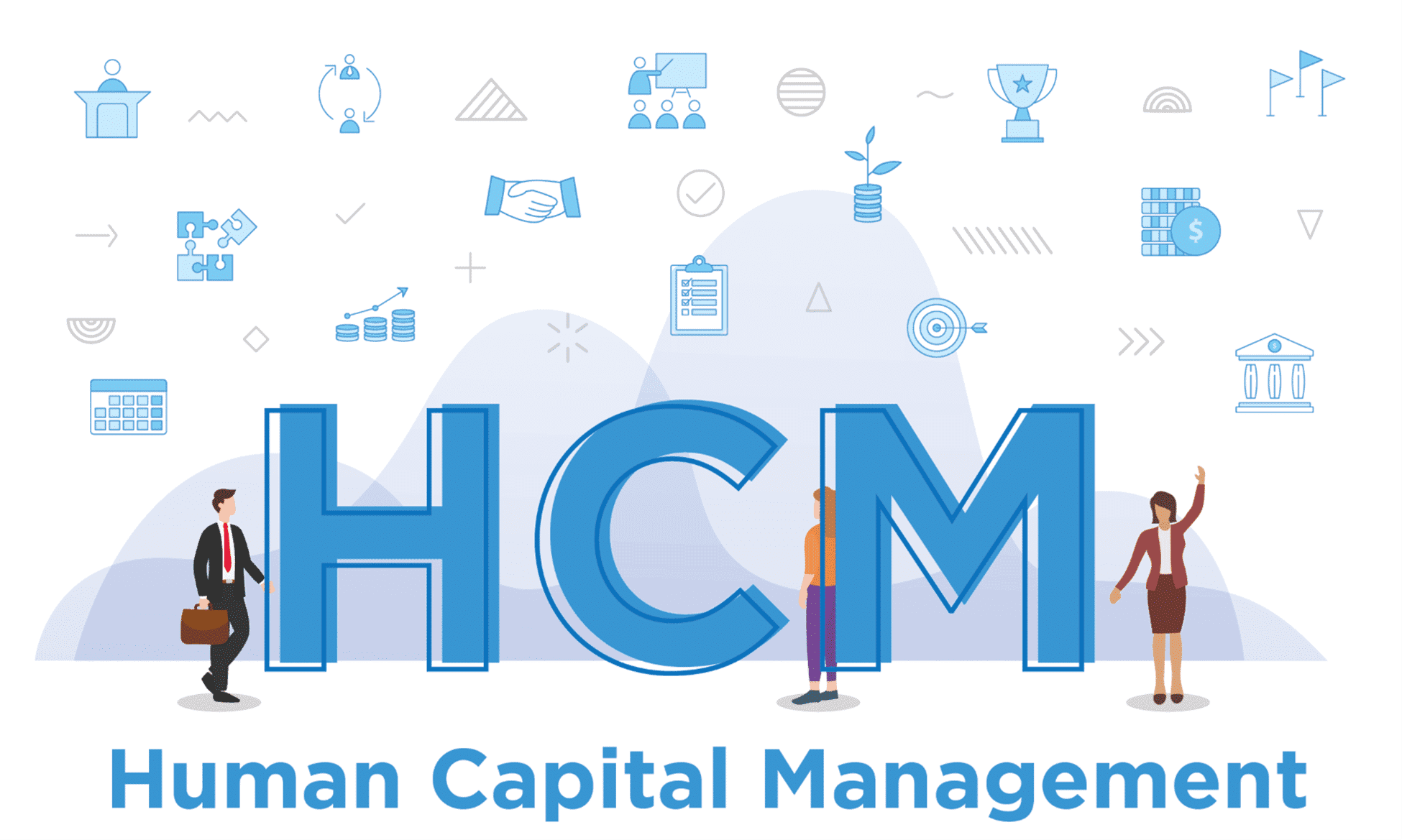
Digital HCM transformation isn’t just another HR trend; it’s the new operating system for modern organizations across Bahrain and the GCC. With HR teams handling increasingly complex tasks, companies are shifting from outdated systems to AI-powered HCM platforms that are faster, smarter, GCC-compliant, and fully cloud-based.
In 2025, Artificial Intelligence has become the heartbeat of this transformation, changing how we hire, manage, optimize, and grow our workforce.
Let’s explore how AI is dramatically accelerating digital HCM transformation in 2025, especially for companies in Bahrain, Saudi Arabia, the UAE, Kuwait, Qatar, Oman, and beyond.
1. AI Is Reinventing Core HR for the GCC Region
Traditional HRIS systems are no longer enough. Today’s workplaces need core HR management software that’s not only automated but also intelligent.
AI now helps HR teams by:
- Automatically organizing employee records
- Predicting workforce needs
- Improving compliance with GCC labor laws
- Enhancing HR data management in Bahrain and GCC countries
Companies using cloud HRIS systems are reporting faster workflows and fewer errors, especially when combined with features like
- HR document automation
- Paperless HR solutions
- Integrated HR software for GCC operations
2. AI-Powered Recruitment: Faster, Smarter, Fairer
Finding the right talent across GCC countries is a challenge, high competition, large applicant pools, and multiple job portals.
AI-powered recruitment HCM solutions and ATS software are transforming hiring by:
- Screening CVs 10x faster
- Matching candidates to job descriptions using algorithms
- Reducing bias in selection
- Automating interview scheduling
With job portal integration, recruiters can source talent from multiple channels while AI scores and ranks every candidate.
For Bahrain and GCC SMEs, tools like
- Talent acquisition systems
- Applicant tracking systems
- Talent development platforms
3. AI Makes Workforce Planning More Predictive
Workforce planning is no longer about guesswork.
AI-driven workforce management software now helps HR teams:
- Identify staffing shortages in advance
- Predict seasonal workload spikes
- Optimize shift scheduling
- Reduce overtime costs
- Improve employee productivity
AI-enabled time and attendance HCM systems automatically detect anomalies, prevent buddy punching, and integrate with biometric devices.
Companies across the GCC, especially in construction, healthcare, hospitality, retail, and logistics, rely heavily on:
- Employee shift scheduling tools
- Workforce tracking systems GCC
- HR rota planning software Gulf
4. AI Automates Payroll and Ensures Compliance
Payroll in Bahrain and GCC countries can be complex due to:
- WPS regulations
- Multi-country compliance
- Variable allowances
- Shifts and overtime
- Local regulatory updates
AI-enabled payroll software and payroll systems for GCC companies eliminate manual calculations and ensure:
- WPS compliance
- Zero payroll errors
- Auto-updated statutory rules
- Fast processing
- Reduced finance workload
Smart AI engines also detect inconsistencies and prevent payroll fraud while integrating with:
- Attendance
- Rostering
- Leave policies
- Benefits administration systems
5. Smarter Performance Management Through AI
AI-powered performance review HCM tools are replacing outdated annual reviews.
Now organizations use:
- Real-time performance tracking
- AI-generated performance reports
- Skill-gap predictions
- Automated feedback reminders
- Employee engagement analytics
These tools help HR leaders in Bahrain and the GCC create fair and transparent performance systems while improving productivity.
6. AI Enhances Employee Engagement & Communication
A motivated workforce performs better.
AI-powered employee engagement software helps HR teams:
- Measure employee happiness
- Predict disengagement
- Suggest personalized training
- Improve internal communication
- Boost satisfaction ratings
Self-service HR platforms available in Arabic and English empower employees to:
- Apply for leave
- Update personal info
- View payslips
- Track performance
All without HR involvement. This creates a highly digital-first workforce culture.
7. AI Makes Analytics Your HR Superpower
2025 is the year HR becomes truly data-driven.
HR analytics software GCC now gives HR leaders access to:
- Workforce dashboards
- Predictive analytics
- Attrition forecasts
- Hiring effectiveness metrics
- Productivity breakdowns
- Cost optimization insights
AI transforms big HR data into clear insights so leaders can make smarter decisions.
8. AI Helps HCM Platforms Become More Scalable
Modern companies in Bahrain and the GCC are growing fast.
AI helps HCM systems stay scalable by:
- Learning from company behavior
- Recommending automation improvements
- Redirecting workflows during peak loads
- Supporting large employee databases
- Managing multi-country setups
This makes modular HCM software essential for organizations planning long-term growth.
9. AI Enables a Completely Paperless HR Experience
Digital HCM transformation isn’t complete without going fully paperless.
AI enables:
- Automated document creation
- Smart contract generation
- Digital onboarding workflows
- Online document approvals
- Secure record storage
A paperless HR solution is no longer a luxury; it’s a standard expectation.
10. AI Is Powering the Future of Remote Work HCM
GCC companies now operate hybrid and remote teams across multiple countries.
AI-driven HCM platforms for remote teams solve challenges like
- Monitoring remote attendance
- Prioritizing workloads
- Tracking deliverables
- Managing communication gaps
- Recommending productivity improvements
This supports digital-first companies in the GCC’s evolving workforce landscape.
Challenges Companies Face in Digital HCM Transformation (and How AI Solves Them)
Even though AI makes HR smarter and faster, the journey isn’t always smooth. Here are the main challenges companies face in Bahrain and the GCC, along with simple, practical tips to overcome each one.
Challenge 1: Resistance to Change
Many employees and managers feel uncomfortable switching from manual processes to AI-powered HR software.
Tip:
- Start with a small module (like attendance or payroll).
- Train employees using short videos and step-by-step guides.
- Highlight how AI saves time and reduces stress.
Challenge 2: Data Migration from Old Systems
Moving HR files, documents, attendance logs, and payroll history into a cloud-based HCM platform can be difficult.
Tip:
- Do migration in phases, not all at once.
- Clean and organize your data before importing.
- Choose an HCM vendor that offers assisted or fully managed migration.
Challenge 3: Multi-Country GCC Compliance
Payroll and HR rules vary across Bahrain, Saudi Arabia, the UAE, Qatar, Kuwait, and Oman.
Companies struggle to stay compliant.
Tip:
- Pick an AI-powered, GCC-compliant HCM system that updates rules automatically.
- Choose a vendor with strong WPS & labor law integration.
- Test payroll for 1–2 cycles before going live.
Challenge 4: Cybersecurity & Data Privacy
HR data includes sensitive employee information.
Companies worry about cloud security.
Tip:
- Choose HCM software with encryption, access controls, MFA, and role-based permissions.
- Store documents in an HR records management system.
- Train employees on secure digital practices.
Challenge 5: Integrating With Existing Tools
Companies use many tools, accounting systems, job portals, biometric devices, attendance machines, and ERPs.
Tip:
- Select an integrated HR software GCC that supports API connections.
- Test integrations during demo.
- Ask for custom integration support if needed.
Challenge 6: Getting Real Value From HR Analytics
Many organizations have dashboards but don’t know how to use HR analytics to make decisions.
Tip:
- Start with basic metrics: absenteeism, overtime, and turnover.
- Use AI recommendations inside HR analytics software GCC.
- Review analytics monthly—not just yearly.
Challenge 7: Managing a Hybrid or Remote Workforce
With remote teams across the GCC, monitoring productivity can be difficult.
Tip:
- Use an HCM platform for remote teams with mobile attendance.
- Implement AI-based workforce tracking tools.
- Create clear digital workflows for approvals and communication.
Challenge 8: Slow Adoption of Self-Service Systems
Employees sometimes avoid using self-service portals even if they are available.
Tip:
- Choose bilingual platforms (Arabic + English).
- Give quick tutorials.
- Use AI chatbots to guide employees inside the portal.
Conclusion
From recruitment to payroll, performance, analytics, compliance, and engagement, AI has fundamentally reshaped HR systems across Bahrain and the GCC.
The future of HR is:
- Cloud-based
- GCC-compliant
- AI-powered
- Data-driven
- Highly automated
- Employee-centric
Companies adopting AI-powered HCM platforms like QuickHCM are already experiencing:
- Higher productivity
- Reduced HR workload
- Faster decision-making
- Better compliance
- Stronger employee engagement
The organizations that embrace AI today will lead the GCC workforce of tomorrow. Ready to Transform Your HR With AI? If your business wants to reduce HR workload, streamline workflows, stay compliant, and create an empowered digital workforce. Now is the time to move to an AI-powered, GCC-compliant HCM platform. Request A Demo now at QuickHCM.
FAQs
It refers to upgrading HR processes using AI—automating tasks, improving decision-making, and enhancing workforce management.
AI ensures faster hiring, GCC-compliant payroll, better analytics, improved engagement, and seamless HR automation.
Recruitment, onboarding, payroll, attendance, scheduling, performance reviews, and analytics.
Yes, modular and cloud-based HCM systems are designed for small, medium, and enterprise-level companies.
They are smarter, predictive, scalable, more accurate, and offer real-time insights that old systems can’t provide.