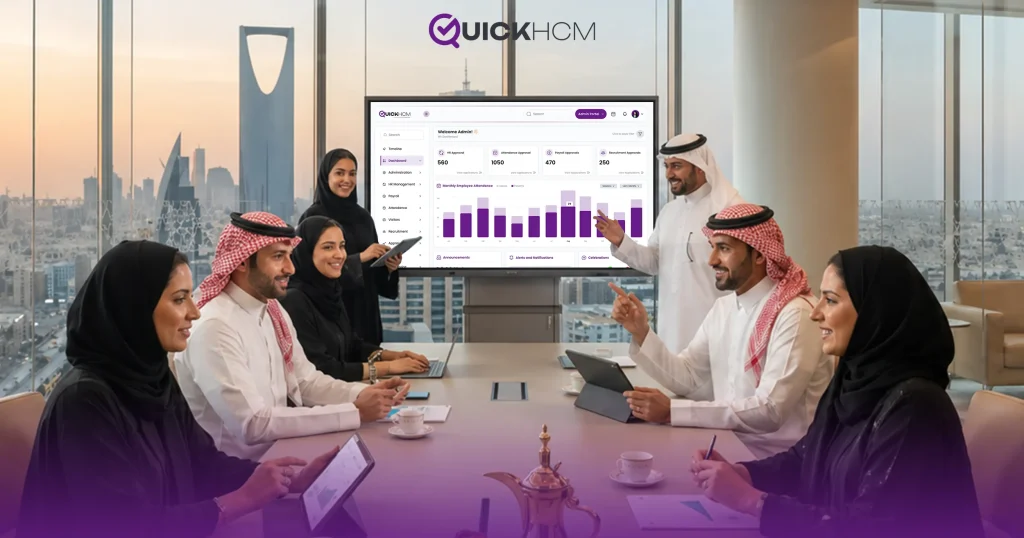
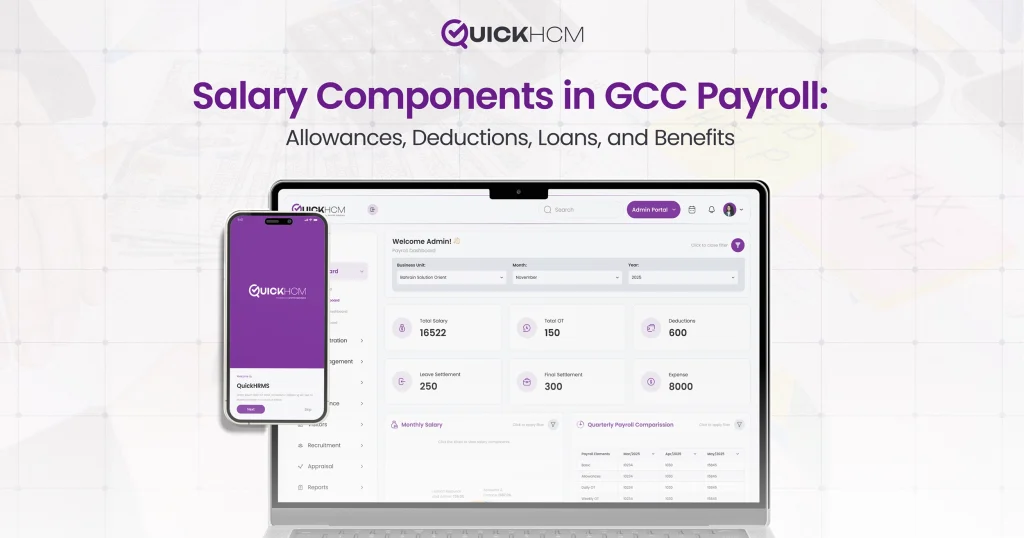
The way businesses treat their employees has changed significantly in recent years. Spreadsheets, handwritten approvals, and paperwork used to overwhelm human resources departments. Automation and digital HCM transformation have changed every aspect of a company’s operations, from recruiting and integrating new employees to data analysis and performance management.
Automation of human resources is becoming a need rather than a luxury in today’s technologically advanced world. Implementing automated HR software systems can benefit businesses in a number of ways. We’re talking about time and money saved, more accurate data, and happier employees.
Let’s explore how these advantages directly translate into a higher Return on Investment (ROI), proving that digital HR transformation delivers more than just convenience; it drives real business value.
What Is HR Automation?
Payroll, attendance, hiring, benefits administration, and data management are just a few of the routine HR tasks that can be significantly streamlined by intelligent software and technology. Human resources personnel now have more time to focus on strategic objectives like talent development and employee engagement since routine tasks are automated.
These days, businesses use cloud-based HR platforms like Quick HCM to support their automation efforts. These systems include a wide range of tasks, including core HRM, talent acquisition, workforce planning, compensation & benefits, and HR analytics.
Process automation can help businesses perform better overall by simplifying procedures, lowering error rates, and making decisions based on solid information.

Financial and Operational Advantages of HR Automation:
In order for HR to effectively embrace digital transformation, we must change our perspective and methodology rather than just buy new technology. This is the real advantage it can offer businesses of all sizes:
1. Streamline Procedures and Increase Efficiency:
One of the most time-consuming tasks for human resources is to streamline procedures and increase efficiency. Payroll management, leave approval, and data entry may all be completed in a matter of minutes with HR automation. The HR department will have more time to interact with clients and less time to do administrative tasks as a result of this increase in efficiency.
For example, automatic attendance monitoring systems can take the place of the outdated log sheets that needed human involvement. This saves a ton of time annually in addition to preventing erroneous data.
2. Cut Operating Costs:
One of the many wonderful benefits of using HR management software is the ability to save money. When businesses save paperwork, save time, and get rid of manual processes, they can get a strong return on investment (ROI) from HR automation in as little as a year.
Businesses can save up to 30% on administrative costs by automating their HR processes.
3. HR Analytics Significantly Improve Decision-Making:
Data-driven choices will be essential in the human resources industry of the future. You can discover a lot about your employees’ performance evaluations, retention rates, and productivity by using HR analytics software. Having real-time access to dashboards and data helps human resources managers anticipate issues and make better decisions.
Analytics modules like hcm analytics dashboard and data-driven HR analytics Bahrain help organizations gain insight into performance patterns and workforce productivity.
4. Improved Working Conditions for Employees:
When workers use digital technologies, they feel truly appreciated and empowered. Employees can use employee self-service HCM to view their pay slips, request time off, and track their performance. Thus, being open and honest fosters greater engagement, satisfaction, and trust.
5. Risk and Compliance Management:
Risk and compliance management pose special difficulties in the context of HRM systems. These practices occasionally result in businesses breaking the law. Automated HR solutions are an excellent tool for making sure payroll, policies, and reporting adhere to local labor laws and industry norms. That is encouraging for avoiding penalties and other legal issues.
How Automation in HR Could Boost Your ROI :
Automation has a big effect on a company’s bottom line, even if it could seem like just another technological development. The benefits of automation in human resources are demonstrated by the notable increase in efficacy and efficiency. Because it facilitates decision-making and boosts employee engagement, the return on investment is high. Learn how automation is assisting modern businesses in achieving measurable results.
1. Increasing Output While Reducing Labor:
One of the biggest advantages of HR automation is the time it may save you. Numerous mundane tasks, like data entry, payroll, and attendance monitoring, are completely automatable. Instead of wasting time on pointless tasks, human resources departments ought to focus their efforts on strategic initiatives that support the expansion of the company.
By automating these procedures with modular HCM software, businesses can cut down on the time it takes to grant leaves of absence and repay expenses from days to minutes. This efficiency not only saves time but also enhances employee satisfaction, as responses become faster and more reliable using the employee feedback solution.
2. Cut Costs and Reduce Challenges:
The amount of time and money lost on manual tasks, paper-based processes, and error corrections is directly related. The adoption of human resource automation can drastically lower those costs.
Businesses can save unnecessary spending by automating payroll, digitizing record-keeping, and expediting benefits administration. Over time, you’ll notice a direct link between these savings and a higher return on investment.
You know that businesses are always looking for ways to improve their operations? It turns out that automated human resources software is invaluable. According to some reports, it can cut administrative costs by 30% while simultaneously greatly increasing production!
3. Increase Accuracy and Ensure Compliance:
Payroll, benefits administration, and compliance reporting are just a few of the HR processes that frequently have errors and glitches. The goal is to increase accuracy while maintaining compliance. Even a small error could lead to a lot of wasted money or unhappy teammates.
When we standardize processes and ensure that every activity complies with established standards, automation significantly increases accuracy and consistency. Quick HCM’s HR analytics and reporting module offers real-time access to compliance data to help reduce risk and boost accountability.
4. Data Collection for Future Planning:
The use of human resource analytics technologies has significantly reduced the margin for error. Automation transforms this idle employee data into useful insights.
Monitoring employee turnover rates, assessing present performance, and projecting future staffing needs are among the duties of a human resource manager. With this information, it is easy to implement talent initiatives and make better use of resources through hcm with performance tracking. Making judgments based on sound data improves both the bottom line and the caliber of outcomes.
5. Increasing and Sustaining Employee Participation:
When workers are content and happy with their jobs, you can tell. Self-service portals allow employees to conveniently view their pay stubs, manage their leave requests, and update their personal data. Because of this automation, everyone remains interested.
Employees say they feel more in control of their work lives because of the trust and freedom that come with this transparency. Finding strategies to maintain employee satisfaction and engagement is one of the most crucial things a business can do for its long-term success.
6. Getting Employees Ready for Upcoming Events:
Scalability is the primary advantage of HR automation and where it really shines. As companies grow, Quick HCM and other automated systems make it simple to handle more people, data, and intricate HR settings with less effort and cost.
Because of this scalability, your HR practices will remain efficient, compliant, and data-driven no matter how quickly your company expands. If we want to succeed in the future, we need to start investing in automation now.
How Quick HCM Delivers High ROI Through Automation?
Quick HCM was designed to make HR transformation practical and measurable. Here’s how its key modules deliver exceptional ROI across every stage of HR operations:
1. The HR Foundation:
With Quick HCM, you can automate the management of personnel records, documentation, and time and attendance, which centralizes everything, streamlines administration, and ensures the accuracy of your data.
2. Developing and Acquiring Talent:
Automating the application tracking process and implementing digital onboarding can lead to far more intelligent recruiting. Our methodology has a favorable effect on the quality of our applications, the effectiveness of our hiring process, and the amount of money we spend on recruitment.
3. Organizing and Managing the Workforce:
You may use predictive analytics and trend analysis to proactively plan your staff using Quick HCM. Addressing labor shortages, enhancing scheduling, and foreseeing talent demands are all critical tasks for human resource managers.
4. Compensation and Benefits:
Quick HCM’s pay management software ensures that salary distributions are equitable, transparent, and timely. Data can also be used by HR departments to help design benefit plans for employees that complement corporate goals.
5. Communication & Engagement:
Quick HCM combines employee engagement tools with internal communication platforms to create a setting where workers feel free to give and receive feedback.
6. Analytics and Reporting:
HR leaders may make informed strategic decisions with the use of Quick HCM’s HR analytics software, which includes dashboards, reports, and key performance indicators (KPIs).
Challenges and Solutions of Digital Transformation in HR:
Although there is no denying the advantages of HR automation, it may be challenging to accept digital transformation. Businesses face several practical and cultural challenges when switching from paper-based to digital HR systems. A smooth transition depends on anticipating the challenges and having a strategy to overcome them.
1. Employee Attitudes Toward Change and Opposition to It:
Opposition to change is frequent when businesses are undertaking digital transformation. Employees and HR departments may be hesitant to embrace new practices since they are accustomed to the status quo. Some people could be concerned that automation would lessen their influence on daily tasks or possibly do away with their employment completely.
The secret to overcoming this challenge is training and good communication. Leaders must explain to all staff members the organizational and personal benefits of automation from the outset of the transformation process. Employees can learn new technology far more easily if training, demos, and a progressive onboarding procedure are used.
Here’s an idea: rather than worrying about automation taking our jobs, let’s concentrate on how technology allows teams to perform more strategic and helpful work by doing away with repetitive and boring tasks.
2. Handling the First Investment’s Costs:
Investing in digital tools and automation software can put a significant financial strain on a company. The initial cost of installation, migration, and training may seem high, especially for SMEs.
Automation should be viewed as a wise investment rather than a needless expense. Reduce manual labor costs, increase labor efficiency, and lower compliance penalties by implementing HR automation quickly.
The wisest course of action is to take things one small step at a time. Payroll and attendance monitoring are two areas that companies can automate first, and as time goes on, they can move on to other areas. This is made possible by the modular solutions provided by several HR software programs, such as Quick HCM. By employing this systematic approach, businesses can effectively manage costs and see measurable ROI at every stage.
3. Simplify the Data Migrating Procedure:
Moving HR data from paper files or antiquated systems to a new digital platform is not always simple. A poorly planned or completed migration may lead to data loss, reporting errors, and compliance issues.
Businesses must carefully plan for data migration to lower the possibility of unfavorable results. We ought to begin by looking for discrepancies in the current personnel database.
We must clean up and standardize the data before sending it. We need to make sure the new system is accurate and functioning properly before going online.
Working closely with your HR software provider is essential to ensuring that sensitive data is handled securely and that all historical records are preserved.
4. Combining Automation Systems from the Present and the Future:
These days, a lot of businesses use digital tools like payroll, time-tracking, and performance management software. When attempting to integrate an updated human resource management system with current technology, several incompatibilities or misalignments may occur.
Choosing an all-inclusive HR suite with flexible APIs and easy integration options is the best course of action. Quick HCM and similar systems are designed to incorporate easily with other business technology in order to promote the unrestricted exchange of information between departments.
Before launching into deployment, an integration evaluation should be carried out. By doing this, you may eventually identify which systems need synchronization and save time and effort.
5. Establish an HR Culture That Prioritizes IT:
More than only the technology employed will need to change if HR transformation is to be successful. It is quite simple to turn automation from a test project to the standard when the entire company embraces a digital-first mindset.
In order to promote a culture that emphasizes efficiency and creativity, leaders must demonstrate effective use of digital tools. It’s important to acknowledge and celebrate those early victories. When workers see how simple automation is to use and how it improves outcomes, they adopt it without thinking twice.
Turning Challenges into Opportunities:
Any of these obstacles—financial, technological, or cultural—can be turned into chances for advancement through strategic planning. With careful preparation, good communication, and the assistance of a trustworthy technology partner, businesses can make the shift to digital HR smooth and with little disruption.
When handled carefully, a successful digital HR transition increases long-term productivity, flexibility, and competitiveness.
What Prospects Does HR Automation Have in Light of This?
Beyond just digitalization, plans are being made for a change in the automation of human resources. The newest technologies that are improving the intelligence of HR systems include AI, ML, and predictive analytics.
With performance data in hand, AI-powered HR software is nearly ready to predict employee churn, offer promotions, and customize training for each worker. These developments seek to establish a workplace that genuinely loves its workers in addition to increasing productivity.
As more and more companies adopt digital HR transformation, this gap will grow. Those who are unable to adjust swiftly risk falling behind their competitors.
Conclusion
To sum up, investing in HR automation is worthwhile. Automation significantly enhances human resource management by increasing work accuracy and efficiency while also promoting employee engagement and compliance.
Companies that wish to grow and thrive in the competitive market of today cannot afford to neglect digital transformation any longer. A company’s chances of attracting top talent, keeping hold of current employees, and making informed decisions are significantly increased by intelligent HR solutions like Quick HCM.
If you’re prepared, now is the ideal time to put HR automation into practice and begin to see the advantages for your company. Are you curious about how your team could operate at its best with digital transformation? Now is the time to schedule a Quick HCM demo!