Human Resources is at the heart of every organization, playing a vital role in managing people, fostering growth, and ensuring compliance. However, traditional HR processes often suffer from inefficiencies, manual errors, and time-consuming tasks. Enter automation—the game-changer that is transforming the HR landscape. HR professionals have one of the most dynamic and impactful roles in any organization. From managing payroll to fostering workplace culture, they’re the backbone of a thriving workforce. Automation isn’t about replacing HR; it’s about giving HR teams the freedom to focus on what truly matters. Dive into how automation is reshaping HR, streamlining tasks, and unlocking the full potential of your workforce.
From Manual to Smart: Streamlining Core HR Tasks
Routine HR tasks like payroll processing, time tracking, benefits administration, and leave management consume a significant portion of an HR team’s time. Automation brings precision and efficiency to these areas by
- Reducing errors in payroll calculations and tax filings
- Automating time-off approvals and attendance tracking
- Digitizing records for instant access and compliance
Enhancing the Employee Experience
A seamless, tech-enabled HR experience is now an employee expectation. Automation helps create a better employee journey through:
- Digital onboarding processes that reduce paperwork and speed up integration
- Self-service portals where employees can manage personal details, benefits, and PTO requests
- Real-time feedback tools and pulse surveys to monitor morale and engagement
Data-Driven Decision Making
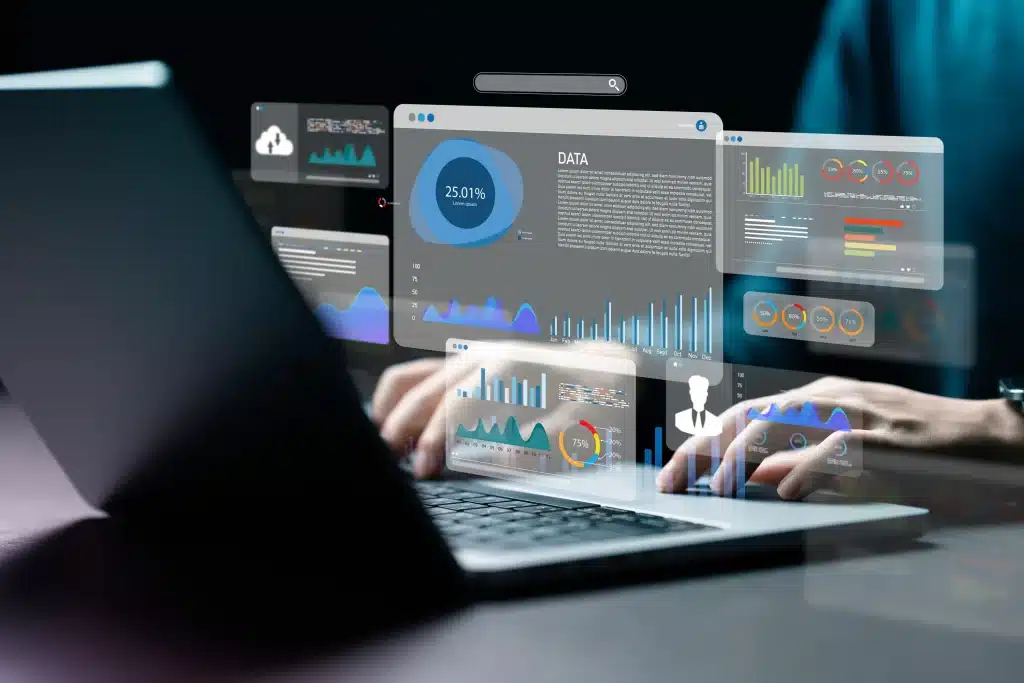
Automation doesn’t just streamline processes—it generates valuable data. HR teams can leverage this data to:
- Identify trends in hiring, attrition, and engagement
- Monitor workforce productivity and performance
- Make informed, strategic workforce planning decisions
Supporting Compliance and Reducing Risk
Labor laws and compliance requirements are ever-changing. This helps organizations avoid costly penalties and keeps their operations audit-ready.
Automated systems can:
- Ensure timely and accurate reporting
- Maintain up-to-date documentation
- Trigger alerts for certification renewals or legal changes

Freeing HR to Focus on People Strategy
Ultimately, automation allows HR teams to shift from being task-driven to strategy-focused. With repetitive processes handled by smart systems, HR can:
- Design and implement talent development programs
- Foster a stronger organizational culture
- Partner with leadership to shape workforce strategies
Conclusion
The power of automation lies not in replacing human effort but in enhancing it. By taking over time-consuming administrative work, automation allows HR professionals to do what they do best—support people, build culture, and drive meaningful change.
In a world where employee expectations are evolving and agility is key, HR automation is no longer optional it’s essential. The future of HR is not just digital it’s dynamic, data-driven, and deeply human. Ready to transform your HR operations? Visit QuickHCM.com to see how we can help you create a better workplace one that works for everyone.