In today’s fast-paced and competitive job market, talent acquisition has become both an art and a science. Finding, evaluating, and onboarding the right candidate is no longer just about filling positions; it’s about building a strong, adaptable workforce that drives long-term success.
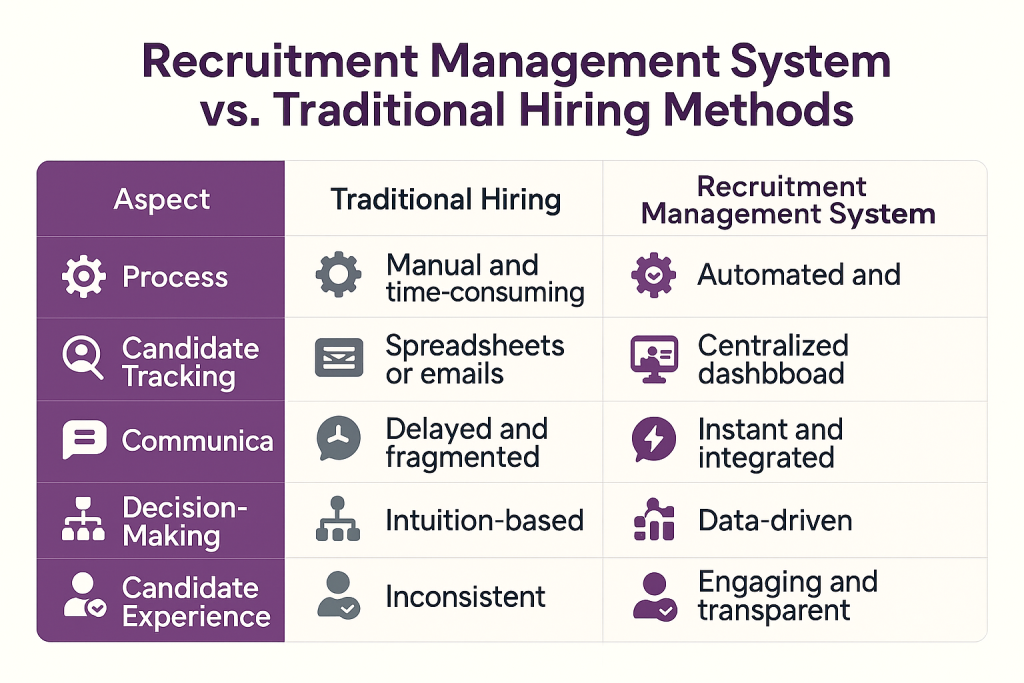
However, many HR teams across Bahrain and GCC countries still struggle with manual hiring processes, inconsistent workflows, and scattered candidate data. From piles of resumes to endless interview coordination, the recruitment cycle can quickly become overwhelming.
That’s where a Recruitment Management System (RMS), a key module of a cloud-based HCM platform, comes in. More than just a hiring tool, it’s a digital powerhouse that simplifies every stage of recruitment, from job posting and resume screening to onboarding and performance integration.
By embracing recruitment automation, modern HR teams can focus less on tedious manual tasks and more on strategic initiatives like employer branding, diversity hiring, and talent retention. Whether you’re a growing startup or an established enterprise, understanding how to leverage a recruitment management system can completely transform how you attract and hire top talent.
By adopting an AI-powered HCM system like QuickHCM’s recruitment management solution, modern HR teams can shift focus from tedious administrative tasks to strategic goals like employer branding, diversity hiring, and talent retention. Whether you’re a startup in Bahrain or a large enterprise operating across the GCC, understanding and implementing a recruitment management system can revolutionize how you attract and retain talent.

What Is a Recruitment Management System (RMS)?
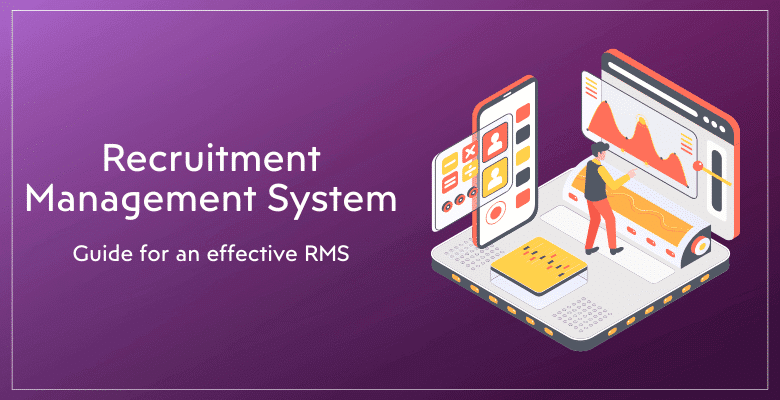
A Recruitment Management System (RMS) is a comprehensive digital platform designed to streamline and automate the hiring process. It centralizes all recruitment activities into one intuitive system, helping HR teams manage candidates efficiently without juggling between emails, spreadsheets, and multiple platforms.
At its core, an RMS is built to enhance recruiter productivity, improve candidate experience, and reduce time-to-hire. It ensures that every stage of the recruitment process from job creation and candidate sourcing to interview evaluation and offer management runs smoothly and efficiently.
Modern RMS solutions, especially cloud-based HR platforms, are powered by AI, analytics, and automation. They analyze candidate data, predict cultural fit, and recommend top sources of talent, enabling HR professionals to make smarter, data-driven decisions.
In simple terms, a Recruitment Management System acts as the bridge between technology and human insight, creating a more efficient, transparent, and engaging hiring process for both recruiters and applicants.
Why Modern HR Teams Need a Recruitment Management System
Today’s HR professionals juggle multiple responsibilities, from workforce planning to employee engagement. Handling recruitment manually only adds to the chaos.
Here’s why a recruitment management system is essential for modern HR teams:
- Efficiency—Automates repetitive tasks like resume screening and interview scheduling.
- Accuracy—Reduces human error and ensures consistent evaluation criteria.
- Speed—Shortens time-to-hire by streamlining workflows.
- Scalability—Manages bulk hiring or niche roles with equal ease.
- Candidate Experience—Provides timely updates and smoother communication for applicants.
A digital HCM transformation powered by recruitment automation helps HR leaders achieve higher productivity and a better ROI on every hire.
Key Features of a Recruitment Management System
A robust RMS offers a suite of tools designed to simplify complex recruitment workflows. Let’s look at the must-have features every HR team should seek:
1. Applicant Tracking System (ATS)
Tracks candidates throughout the recruitment pipeline from application to offer stage. HR teams can view candidate history, resumes, interview notes, and more in one dashboard.
2. Job Posting and Distribution
Automatically posts job openings across multiple channels company career pages, job boards, and social media—saving hours of manual work.
3. Resume Parsing and Screening
AI-driven parsing extracts key details from resumes and ranks applicants based on job requirements, helping recruiters focus on the most qualified candidates.
4. Collaboration Tools
Enables recruiters, hiring managers, and interviewers to collaborate seamlessly through notes, feedback sharing, and approval workflows.
5. Interview Scheduling
Integrates with calendar systems like Outlook or Google Calendar to automatically schedule interviews, minimizing back-and-forth communication.
6. Analytics and Reporting
Provides insights into recruitment metrics—time-to-hire, cost-per-hire, and source effectiveness—enabling smarter hiring strategies.
7. Candidate Relationship Management (CRM)
Builds and nurtures a pipeline of potential candidates for future roles through automated communication and engagement tools.
8. Onboarding Integration
Smoothly transitions candidates into employees with built-in employee onboarding software tools.
Benefits of Using a Recruitment Management System
Implementing an RMS isn’t just about automation; it’s about transformation. Here’s how it benefits your HR department and your organization as a whole:
- Reduced Hiring Time: Speeds up the recruitment process by automating manual steps.
- Improved Quality of Hire: AI-based matching ensures the best candidates are shortlisted.
- Better Team Collaboration: Streamlines communication between recruiters and hiring managers.
- Enhanced Employer Branding: Provides a consistent, professional, and candidate-friendly experience.
- Data-Driven Decisions: Offers real-time analytics for better strategy formulation.
- Lower Recruitment Costs: Minimizes third-party dependency and reduces overhead.
A modular, cloud-based HCM platform approach ensures your RMS grows with your business needs.
How a Recruitment Management System Improves Candidate Experience
Candidate experience is no longer a “nice-to-have”, it’s a critical hiring success factor.
A recruitment management system enhances it through:
- Seamless Application Process: Mobile-friendly and user-centric application interfaces.
- Regular Updates: Automated notifications keep candidates informed about their status.
- Transparency: Clear communication reduces anxiety and builds trust.
- Faster Responses: HR teams can respond quickly thanks to automated workflows.
Happy candidates today become engaged employees tomorrow, and an RMS makes that possible.
Steps to Implement a Recruitment Management System
Adopting a recruitment management system requires a clear roadmap. Follow these steps for a smooth transition:
- Define Your Hiring Needs: Identify pain points in your current process.
- Set Clear Objectives: Decide whether your goal is speed, quality, or scalability.
- Choose the Right Software: Look for a system that fits your organization’s size and structure.
- Integrate with Existing HR Tools: Ensure compatibility with payroll, HRIS, and onboarding systems.
- Train Your HR Team: Conduct hands-on training sessions for smooth adoption.
- Monitor and Optimize: Review analytics regularly and adjust workflows for maximum efficiency.
Challenges in Recruitment Management Systems (and How to Overcome Them)
Even the best systems can face implementation challenges; here’s how to handle them:
- Resistance to Change: Offer proper training and communicate benefits clearly.
- Data Migration Issues: Use expert IT support for transferring legacy data securely.
- Integration Complexity: Choose platforms with flexible APIs and integration support.
- Cost Concerns: Start with scalable subscription models instead of heavy upfront investments.
Top Trends Shaping Recruitment Management Systems in 2025
The recruitment tech landscape is evolving rapidly. Here are key trends modern HR leaders should watch:
- AI-Driven Hiring: Predictive analytics and intelligent candidate ranking.
- Chatbots for Candidate Engagement: 24/7 interaction and pre-screening support.
- Video Interviews: Remote-friendly and efficient screening methods.
- Diversity Hiring Tools: Bias-free candidate assessment algorithms.
- Integration with Social Media: Sourcing talent from LinkedIn, X (Twitter), and other platforms.
How to Choose the Right Recruitment Management System
Before investing, evaluate your options based on:
- Ease of Use
- Customization Options
- Integration Capabilities
- Mobile Accessibility
- Customer Support and Training
- Scalability for Future Growth
A solution that aligns with your company’s culture and hiring goals will deliver the best ROI.
Measuring the ROI of Your Recruitment Management System
An RMS should deliver measurable results. Track the following metrics to evaluate success:
- Time-to-Fill: How long it takes to close a position.
- Cost-per-Hire: Total cost involved in the hiring process.
- Quality of Hire: Performance and retention of new hires.
- Candidate Satisfaction Scores: Feedback from applicants on their experience.
- Recruiter Productivity: Time saved on manual tasks.
With built-in HCM analytics dashboards, your HR team can quantify impact and continuously optimize hiring strategies.
Future of Recruitment Management Systems
The future is intelligent, integrated, and people-first.
Expect recruitment systems that:
- Use AI and machine learning for deeper talent insights.
- Integrate behavioral analytics to match cultural fit.
- Offer hyper-personalized candidate journeys.
- Prioritize sustainability and inclusivity in hiring decisions.
Modern RMS tools are not just hiring aids; they’re strategic partners in workforce transformation.
Conclusion:
A Recruitment Management System is no longer a luxury; it’s a necessity for forward-thinking HR teams. It enhances efficiency, improves candidate quality, and transforms the entire hiring experience.
By embracing intelligent hiring technology, your organization can not only attract the best talent but also create a strong employer brand that stands out in today’s competitive job market. Are you ready to modernize your recruitment process? Discover how a smart Recruitment Management System can revolutionize your hiring. Visit QuickHCM’s Recruitment Management Module or explore advanced solutions tailored for your business needs. Let technology do the heavy lifting so your HR team can focus on what truly matters: building great teams.
Frequently Asked Questions
Yes, most modern RMS platforms comply with data protection regulations such as GDPR and ensure secure storage and processing of candidate data.
Key factors include ease of use, integration with existing HR tools, mobile accessibility, AI-driven features, and vendor support. The system should also align with your organization’s hiring goals.
Absolutely! RMS platforms are scalable and customizable, making them ideal for small and medium-sized businesses that want to professionalize their hiring process without large overhead costs.